Your Gut Health
is Your Health.
And Your Gut Bacteria
& Mental Health are Closely Connected!
More and more people are learning about the importance of a healthy gut microbiome and its connection to mental clarity. Have you considered...

- why gut health matters
- the connection between your gut microbiome and mental health
- how to fix your gut health
- what gut health recipes and supplements are solutions
- how to reset your gut naturally
It can be very frustrating to struggle with weight gain, sleep problems, brain fog, mood imbalances, achiness,
and more due to gut health issues.
Most People Don't Figure It Out on Their Own.
Take the Health Assessment then together we create a customized gut health plan just for you.
How the assessment helps you going forward...
➜ Identifying daily habits that are contributing to your gut health challenges.
➜ Addressing root causes that affect you emotionally & physically
➜ Creating a personalized eating & detox plan to regenerate your gut microbiome.
➜ Implementing consistent practices to support your health efforts (i.e. sleep, energy, stress, mood, hydration, etc.)
I want you to experience the joy and empowerment that comes from creating a healthy lifestyle that really works for you.
Here's How Can I Help People Best:

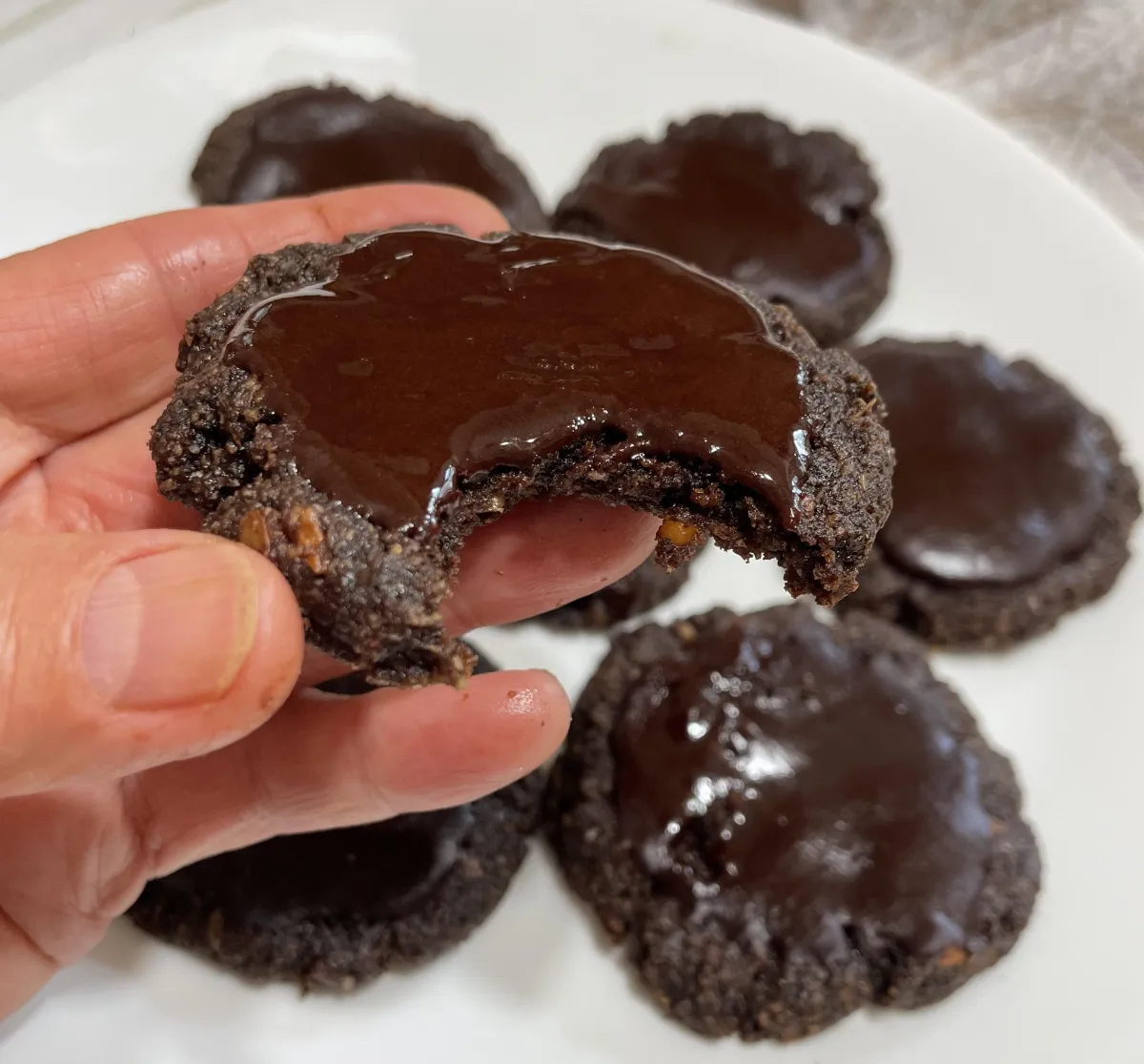
Step 1. Grab My Happy Gut Desserts guide
Find out here that gut healthy foods can be tasty too! Enjoy the recipes!

Step 2. Take the Health
Assessment
Let's find out what is contributing to your overall health.

Step 3. Book a Personal Call with Erleen.
Together we create your customized health plan to reset your gut.

Step 4. Get a Personalized Coaching Plan
A plan, correct tools and personal support all in one for you!
See What Others Are Saying...
“God bless my awesome health coach, Erleen Tilton, who helped me start in the right direction with a gut detox program. I am feeling amazing!” Deb G.
"I didn't realize how much my physical health was affecting my emotional health until I started working with Erleen. Now, I feel like a whole new person. I have more confidence, more energy, and I'm excited about life’s work again." Clark R.
“I love what working with Erleen is doing for me. I've had my energy increase, my stamina has improved, I've dropped at least 5 pounds and I'm not trying to lose weight. And another big thing, my brain fog has lifted! I'm excited to continue on this path!” Becky P.
"Thanks to Erleen for extending her years of knowledge of herbs and oils to help me find answers to my health challenges. In implementing her suggestions, my body is making remarkable progress.” Sharla P.
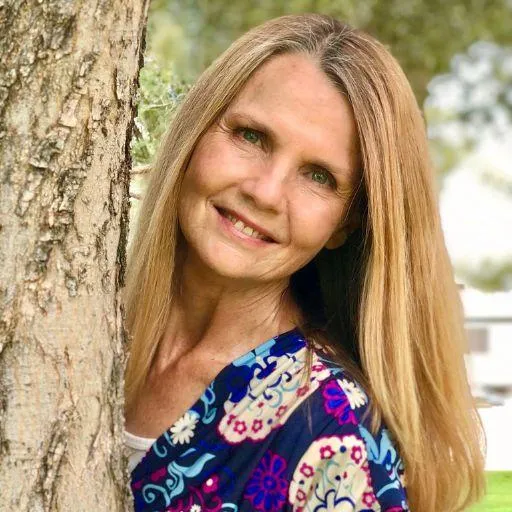
Hi, I'm Erleen!
I know how frustrating it can be to feel stuck with your health.
At age 21, with broken emotional and physical health, I turned to natural solutions with the help of a naturopath.
Now as a Functional Health Coach, I have...
I've been there...
Being here, you may be wondering what gut health means, why gut health matters, or if gut health is behind your recurring health issues. More people than ever are connecting gut bacteria and mental health; gut health and constipation; gut health = Your Health!
Although many are beginning to understand the importance of gut health, it's not altogether clear how gut health affects the brain, how to get rid of bad gut bacteria, the best detox for gut health, what are the signs of an unhealthy gut, and can gut health affect emotions.
So if are you interested in learning how to restore gut health, find a healthy gut diet plan, the worst foods for gut health, best drinks for gut health, best probiotics for gut health, supplements to improve gut health, and the best detox for gut health and more, then you are at the right place.
I know how hard it can be to struggle with gut health.... trying different things hoping to see changes, so many voices out there, starting over again and again to see what works.
What does it take to see real changes in your gut health?
That's what I offer here: natural solutions, support, tips, recipes, and guidance to help folks just like you develop your own personal gut health plan so you can feel better, improve clarity of mind and energy levels, feel great about taking care of yourself, improve digestion naturally at home, and stay on track.
So... let's identify where you need the most help right away, work together to develop a simple plan, and then implement it (with support) at home. It's that simple.
I Can Help!
Happy Gut Desserts Ebook
Health
Assessment

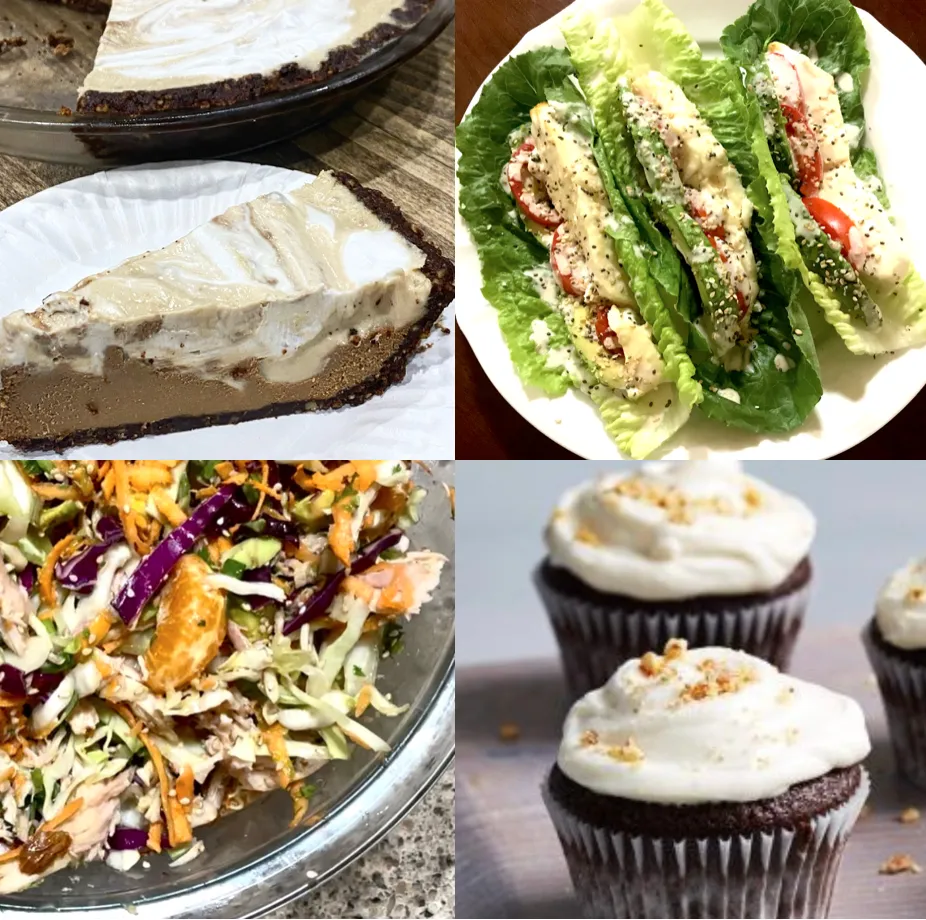
Gut Healthy Food Videos

Copyright © Erleen Tilton & Nature's Healthy Choices, PO Box 225, Higley, AZ 85236 | Terms & Conditions | Privacy Policy